Why Fluid System Customization Matters Fluid system failures cost the oil and gas industries...
Why Fluid System Customization Matters for Compliance & Production
Fluid system failures cost the oil and gas industries millions in lost productivity, regulatory fines, and safety risks. Despite this, many along the oil and gas value chains continue to install standardized, off-the-shelf solutions, expecting efficiency and reliability. However, in the Upper Midwest, pre-configured systems often lead to unexpected leaks, frozen components, and costly modifications, all issues that could be prevented with customization.
“One of the biggest pitfalls of a standardized system is that it assumes perfect conditions, which never exist in the real world.” Ethan Liebswager, Applications Engineer for the Design and Assembly Team at Swagelok Minnesota | North Dakota | Appleton. While the technical limitations are well known, the human element plays an equally critical role in system failures.
How Swagelok Transformed a Failing Grab Sample System in North Dakota
In January 2025, an oil and gas operations manager in North Dakota faced an expensive setback. His team installed a standardized grab sample system, expecting a seamless integration. Instead, the system failed almost immediately. The pre-configured design didn’t account for the subzero temperatures, the constant freeze-thaw cycles, the moisture exposure of the oil site in North Dakota, or the facility’s unique layout and access constraints. What looked efficient on paper quickly became a liability in the field: the enclosure and components were not rated for the harsh winter environment, heat management was overlooked, and critical valves and sample points were positioned with little regard for how technicians would actually use the system day to day.
- Frozen components led to inconsistent sample collection
- Material breakdown accelerated system failures.
- Technicians struggled with accessibility issues, increasing downtime.
Swagelok Field Engineers’ Site-Specific Solution
“The customer invested in an off-the-shelf solution, but the moment it was installed, it started creating problems, rather than solving them,” says Ethan. What was marketed as a plug-and-play grab sample system quickly turned into a constant source of maintenance calls and operational headaches. Components were not sized or specified for the pressures, temperatures, and exposure cycles at the site, and the pre-engineered enclosure provided little protection from wind, ice, and snow. Technicians were forced to improvise changes just to keep the system running day to day, introducing further variability and risk. He found that by the time modifications were made to try to correct these issues—relocating components, adding ad hoc heat tracing, and replacing prematurely failed parts—costs had soared well beyond the price of a custom-designed system built for site-specific conditions.
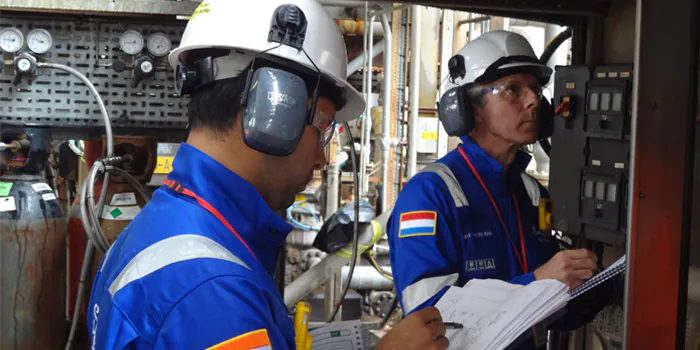
Working directly with the North Dakota customer’s operations group, Swagelok’s fluid system engineers were able to develop site-specific modifications that accounted for the environment, the sampling requirements, and how the technicians actually interacted with the panel. They walked the site, reviewed failure points, and translated those observations into engineered changes rather than one-off field fixes. The result was a configuration that protected vulnerable components, simplified sampling procedures, and aligned with the facility’s maintenance practices and safety standards—which ensured long-term reliability.
Fluid System Solutions for Freezing Temps
To combat the freezing issues, Ethan and other Swagelok field engineers incorporated specialized heat tracing and insulation to maintain optimal temperatures, while corrosion-resistant alloys and reconfigured component layouts addressed material breakdown and accessibility concerns.
By implementing Swagelok’s custom solutions, operations transitioned from constant reactive maintenance to a proactive, long-term approach that improved system efficiency, safety, and overall reliability. The changes reduced operational disruptions and helped the team avoid the costly cycle of repeated failures—proving that customization is not just an investment, but a necessity in extreme operating conditions.
The Human Factor: Why Standardization Fails Beyond Design
There are a few different reasons why standardizing solutions often fails, even though messaging suggests that it’s easy and simple.
User Resistance to Change
Despite the clear benefits of custom systems, many companies resist deviating from standardized solutions due to cost concerns and rigid procurement processes. “The biggest pushback we get is companies just want to fill out a spec sheet and get a quote. They don’t consider anything beyond that”, says Ethan.
Prioritizing quick solutions over comprehensive assessments, often leading to operational inefficiencies. However, once they experience the reliability of a custom solution, perception shifts. “It takes time to build trust. But when customers see that our systems integrate seamlessly and improve performance, they realize the value”, says Ethan.
Breakdown in Stakeholder Communication
Beyond technical flaws, communication gaps, resistance to change, and misaligned priorities create significant roadblocks in fluid system reliability. “If the teams operating the system aren’t involved in its design, failures are inevitable,” explains Ethan. In recent years, Swagelok has worked on projects where customers have implements designs without fully consulting engineers, technicians, and decision-makers, which have led to
- Selecting a location without considering real-world usability.
- Modifying the system to make it work in practice, leading to safety concerns
- Struggling with inconsistent samples, affecting quality control.
Without collaboration, systems that look good on paper often fail in the field.
The Swagelok Difference: Localized Engineering Support
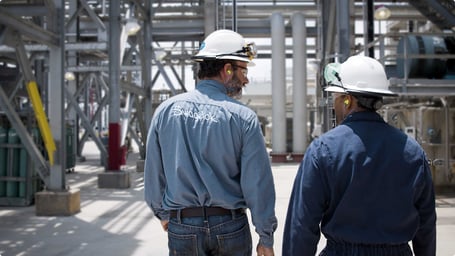
The Swagelok engineering team serves as a critical link, ensuring that key stakeholders collaborate from the start. By bringing operations, maintenance, engineering, and procurement to the same table early in the process, they help align technical requirements with day-to-day usability, safety expectations, and budget constraints. This collaborative approach ensures that every custom assembly, grab sample system, or gas distribution panel is designed not just to meet specifications, but to perform reliably in real-world operating conditions across the Upper Midwest.
Environmental variables, operational needs, and stakeholder coordination all play critical roles in system performance. "Custom solutions are about more than just fixing problems—they're about designing systems that prevent them in the first place. Ethan explains, "Swagelok Minnesota’s engineering support ensures that each custom fluid solution is built for real-world conditions and requirements of the upper midwest.”
The result is reduced maintenance costs, fewer failures, and improved safety standards, reinforcing that customization is the key to long-term success in fluid system reliability. These improvements have minimized operational disruptions and helped oil & gas companies avoid the costly cycle of repeated failures—proving that customization is not just an investment, but a necessity in extreme operating conditions.